


Kaikoura Eco Zip Line Adventure Breathtaking Views Wildlife and Eco Friendly Thrills
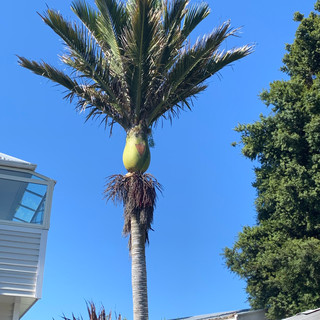
The first step off a zip line platform is always a small act of trust. In Kaikōura, that moment comes with an extra reward: mountain air in your lungs, native bush below your feet, and the Pacific flashing blue in the distance.
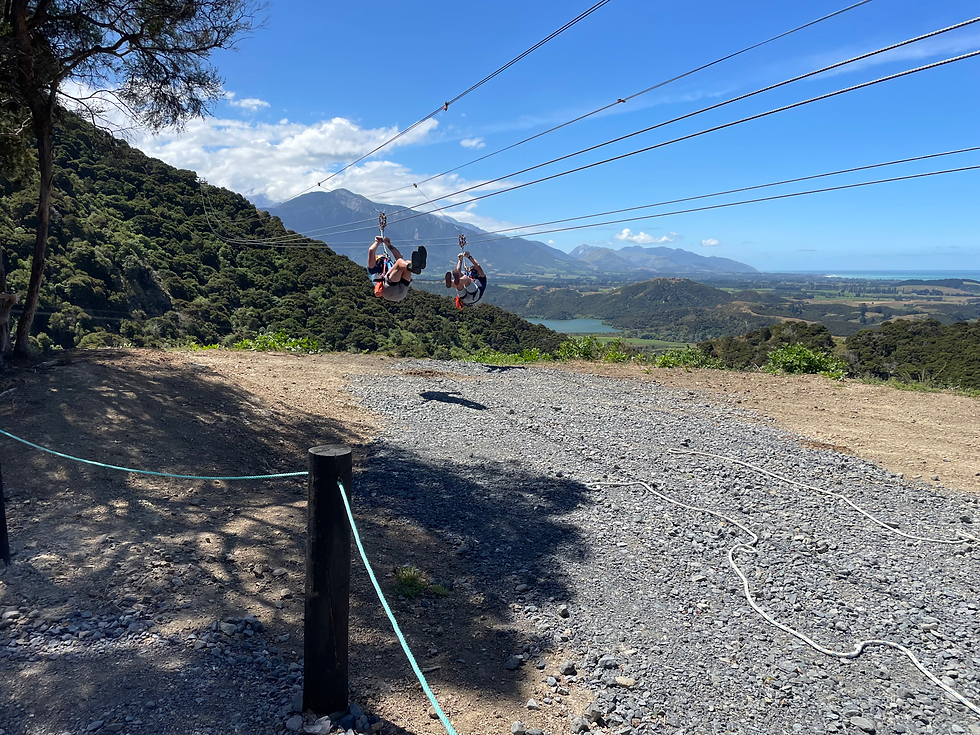
A Kaikoura Eco Zip Line experience is built for that rare mix of thrill and stillness. One minute, the harness takes your weight and the cable begins to hum. The next, you are flying above treetops with the Seaward Kaikōura Range framing the sky. It is fast enough to raise your heartbeat, but scenic enough to make you look around instead of simply hanging on.
Kaikōura is already famous for wildlife, coastal views, and dramatic geology. A zip line adds a new way to read the place. From above, the land feels layered: forest canopy, farmland, riverbeds, ridgelines, and sea. It is an adventure, yes, but it is also a reminder that good outdoor tourism should protect the places that make it special.
The scenery makes the ride feel bigger than the thrill
Kaikōura has one of the most dramatic settings in Aotearoa New Zealand. The mountains rise steeply behind the coast, and the sea sits close enough to change the light all day. On a clear morning, the tops of the ranges can look sharp and silver. Later in the day, the valleys turn warmer, and shadows start to stretch across the bush.
That scenery is not just a backdrop. It gives the zip line its character.
From a platform, the view tends to shift in layers. Close by, there may be mānuka, kānuka, ferns, grasses, and regenerating bush. Below, gullies and slopes show how water has shaped the land. Further out, the coastline pulls the eye towards the Pacific. If cloud hangs over the tops, the ride can feel moody and wild. If the sky is clear, it feels wide open.
The best zip line rides are not only about speed. They create short, bright moments where the body and the view meet. The launch gives you the rush. The glide gives you time to notice details.
Look for:
The change in sound
On the platform, there may be voices, clips, instructions, and nerves. Once you are moving, the sound often drops away to cable hum, wind, birds, and your own laugh.
The height of the canopy
Flying above trees makes familiar bush feel different. You see the tops rather than the trunks, which gives the forest a soft, rolling shape.
The mountain-to-sea contrast
Few places give such a clear view from alpine-looking ridges to ocean in one sweep. That contrast is a huge part of Kaikōura’s appeal.
The pace between lines
The walks between platforms matter too. They give you time to reset, talk with guides, and take in what you missed while flying.
For visitors who want an adrenaline activity without losing the feeling of being in nature, this is the sweet spot. It is outdoors, physical, and exciting, but it does not ask you to rush past the place itself.
Wildlife encounters add a distinctly Kaikōura flavour
Kaikōura’s wildlife is one of the main reasons people travel there. The wider region is known for marine life, seabirds, rocky shore habitats, and native bush. A zip line will not replace a wildlife cruise or coastal walk, but it can add another angle to the experience.
The most likely encounters are the quieter ones. Birds moving through the trees. Insects in the undergrowth. The sudden wingbeat of a kererū, if you are lucky. Small forest birds may appear along the walking sections, especially when the group pauses and the noise drops.
Near the coast, Kaikōura is strongly associated with fur seals, dolphins, whales, and large seabirds such as albatross. Those species are not guaranteed from a zip line course, and any responsible operator should avoid promising wildlife on demand. Nature does not work to a timetable. Still, the knowledge that these animals live nearby changes how the place feels. You are not just visiting a scenic adventure site. You are moving through a living region where forest, coast, and ocean connect.
That is where the eco side matters.
Quiet observation is part of the experience. Good guides often help visitors notice small signs they might miss on their own. A call from the bush. A plant coming back after restoration. A view line that shows how the coastal ecosystem fits together.
The best wildlife encounters are not always close-up. Sometimes they are the moments when you slow down enough to realise how much life is around you.
There is also a useful mindset shift here. On a zip line, the thrill comes from height and speed, but the memory often comes from attention. The blur of green below is exciting. The pause afterwards, when you watch a bird cross the valley, can be just as memorable.

The zip line design balances excitement with care
A well-run eco zip line is not simply a cable strung through trees. The design needs to manage safety, landscape impact, visitor flow, and the feeling of adventure.
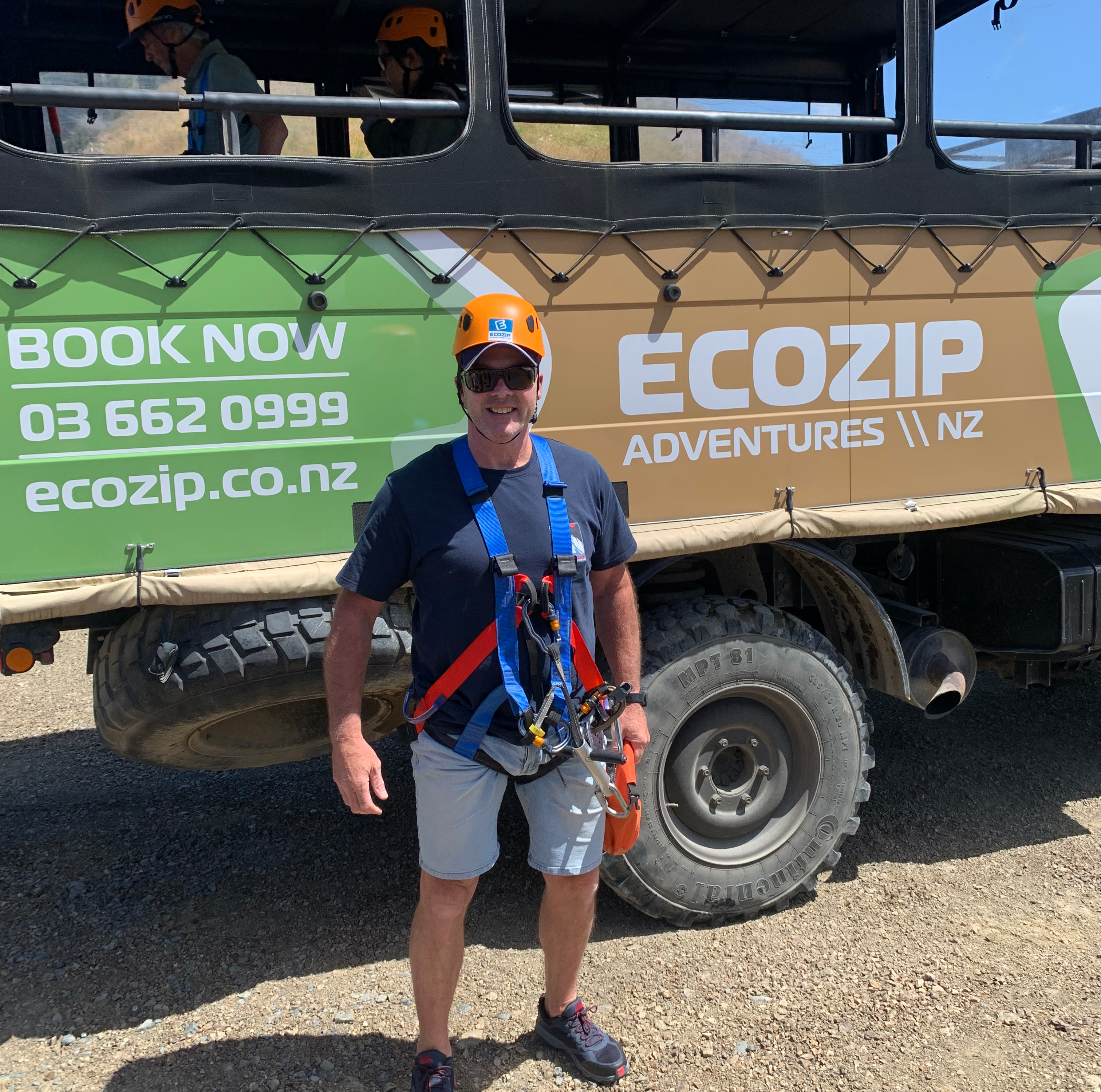
Most zip line experiences use a series of platforms connected by cables. Riders wear a harness and helmet, then attach to the cable through a trolley and safety system. Guides check gear before each launch and control the pace of the group. The course may include short walks between platforms, lookout points, and guided interpretation along the way.
That structure creates a rhythm:
Gear up and learn the basics.
Walk or ride to the first platform.
Clip in and complete safety checks.
Launch, glide, and land.
Move to the next line with the guide.
The first line is often the one that settles everyone’s nerves. After that, most people relax into the movement. The sensation is smooth rather than chaotic. There is a clear start, a clear landing, and staff are there throughout.
Safety starts before the first launch
Adventure activities in New Zealand operate in a setting where safety systems matter. A responsible zip line operator will brief visitors clearly, check equipment, explain body position, and set expectations before anyone leaves the platform.
Common safety measures include:
Harness and helmet fitting
Guides should make sure gear sits correctly and feels secure before the tour begins.
Clipping and connection checks
Staff usually check attachments more than once, especially before each line.
Guide-led launches and landings
Visitors should not need to guess when to go or how to arrive. The process should feel organised.
Clear instructions
Good briefings use plain language. They explain where to place hands, how to sit in the harness, and what to do on landing.
Weather judgement
Wind, heavy rain, and other conditions can affect operations. If a tour is delayed or cancelled for safety, that is a sign of care rather than inconvenience.
Visitors have a role too. Listen during the briefing, ask if something is unclear, and avoid loose items that could fall. The more seriously everyone treats the basics, the more freedom there is to enjoy the ride.
Eco-friendly design should be visible, not just claimed
The word “eco” gets used a lot in tourism, so it helps to know what to look for. In a zip line setting, sustainability is practical. It shows up in how the course sits on the land, how groups move through the area, and how the operator talks about wildlife and restoration.
Thoughtful design may include raised platforms that reduce trampling around tree roots, marked tracks that keep people out of fragile areas, careful placement of lines to minimise vegetation clearance, and group sizes that avoid overcrowding. Some eco-focused operators also support native planting, pest control, erosion management, or local conservation work.
The strongest sign is not a slogan. It is the way guides ask visitors to behave.
Good eco practice sounds like:
Stay on formed tracks.
Take all rubbish with you.
Keep noise down near wildlife.
Do not feed birds or animals.
Respect plants, even when they look common.
Treat the site as habitat, not just a playground.
Kaikōura’s natural appeal is the reason the activity exists. Protecting it is not an optional extra. It is the foundation of the whole experience.

Plan your visit so the day runs smoothly
A little planning makes a big difference. Kaikōura weather can change quickly, and outdoor activities feel better when clothing, timing, and expectations are right.
The best times to visit
There is no single perfect time for everyone. Each season gives the ride a different feel.
Season | What to expect | Best for |
Spring | Fresh growth, cooler air, changeable weather | Green scenery and fewer extremes |
Summer | Longer days, warmer conditions, stronger visitor demand | Bright views and holiday energy |
Autumn | Softer light, mild days, calmer feel | Photography and comfortable touring |
Winter | Crisp air, possible snow on higher ranges, colder starts | Clear mountain views and a wilder mood |
Morning tours can be beautiful because the light is clean and the day has not yet built up heat or wind. Later tours can bring warmer tones across the hills and coast. If photography matters, ask the operator what times tend to work best for the course orientation, while remembering that weather always has the final say.
Summer is popular, so booking ahead is sensible during holidays and long weekends. In cooler months, bring an extra layer. Even if town feels mild, it can feel colder on platforms and in shaded gullies.
What to wear and bring
Dress as if you are going for a light bush walk with extra wind on the descents. Comfort matters more than style.
Bring or wear:
Closed-toe shoes
Sneakers or light walking shoes are usually the best choice. Avoid jandals, sandals, or loose footwear.
Layers
A breathable base layer and light jacket work well. Conditions can shift between sun, shade, and breeze.
Comfortable clothing
Choose clothes that fit well under a harness. Very loose clothing can get in the way.
Sun protection
Sunscreen, sunglasses for before and after, and a hat for time off the course are useful in New Zealand conditions.
A small water bottle
Hydrate before the tour, especially in summer. Check whether you can carry water on the course.
A secure camera or phone
If devices are allowed, use a strap or secure pocket. Dropping gear from height is bad for the device and the environment.
Medication you may need
Bring personal essentials such as an inhaler or allergy medication, and let guides know about relevant needs before the tour.
Leave dangling jewellery, bulky bags, and loose items behind. If lockers or storage are available, use them.
Who will enjoy it most
Zip lining suits a wide range of visitors, but it is still an adventure activity. It tends to work best for people who are comfortable following instructions, moving across uneven ground, and spending time outdoors.
Families, couples, solo travellers, and groups of friends can all enjoy it. Nervous first-timers often surprise themselves. The guided setup helps because there is no need to master a complex skill. The biggest step is mental: trusting the gear, stepping off the platform, and letting the line carry you.
If anyone in the group has mobility concerns, medical conditions, weight restrictions, or a strong fear of heights, contact the operator before booking. That avoids stress on the day and helps staff give the right advice.
The real reward is feeling connected to the place
The best adventure activities leave more than a rush behind. A Kaikōura zip line has all the physical ingredients: height, speed, cables, harnesses, and that sharp second before launch. Yet its deeper appeal comes from where it happens.
You are not flying through a theme park. You are moving through a place shaped by mountains, ocean, weather, wildlife, and careful stewardship. The thrill feels stronger because the setting is real. The views feel more valuable because they depend on healthy land.
That is why the eco part should matter to every visitor. Choosing low-impact activities, listening to guides, staying on tracks, and respecting wildlife are small actions, but they protect the experience for the next group and the next season.
A zip line over Kaikōura’s treetops is a chance to do two things at once: chase the adrenaline and pay attention. Let the first line wake you up. Let the views slow you down. Then carry that feeling with you when your feet are back on the ground.
Check out their website here www.ecozipadventures.co.nz/kaikoura


Comments